
How to Choose Sustainable Merchandise That Tells Your Brand Story
Promotional products remain one of the most enduring forms of brand communication. However, there is a clear difference between giveaways that are discarded within days and a thoughtfully designed ecofriendly custom product that stays in use for years. That difference goes beyond aesthetics, it is strategic!
Today, ecofriendly promotional products sit at the intersection of procurement, ESG commitments, and brand reputation. Organizations that approach sustainable promotional products thoughtfully are not simply sourcing items, they are communicating their values and driving long-term brand recall. For B2B decision makers, the key question is no longer whether to invest in eco promotional products, but how to select ecofriendly promotional items that deliver measurable value, both functionally and strategically.
Here is a complete guide for B2B and consumer brands committed to sustainable growth
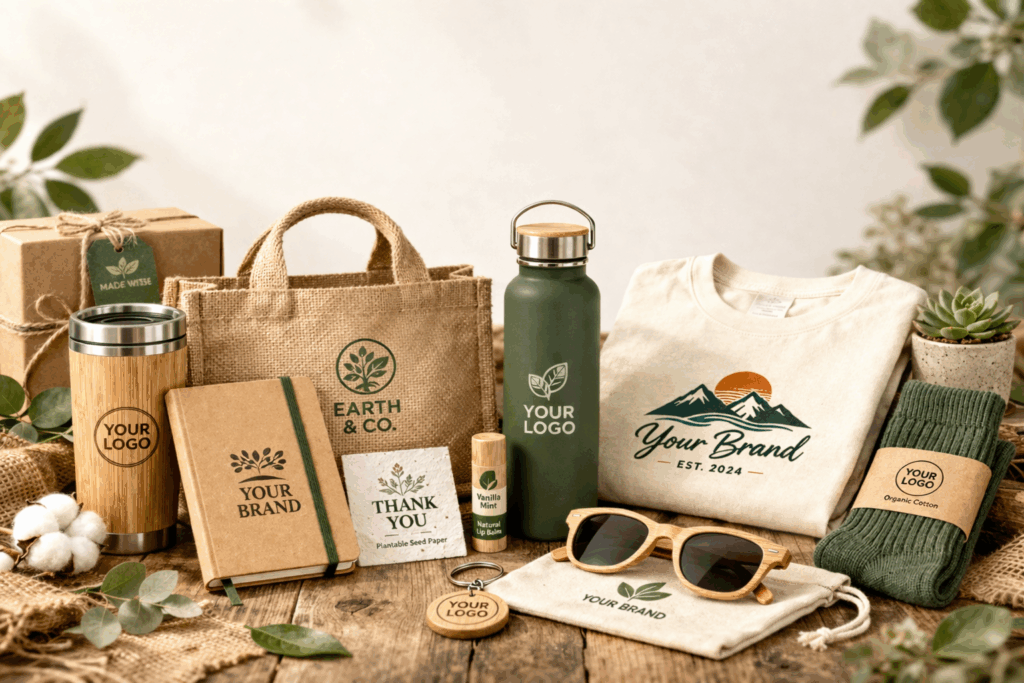
What Counts as Eco-Friendly (And What Does Not)
The Real Definition
Not every product labeled as “green” meets genuine sustainability standards. True sustainable promotional merchandise must be evaluated across its entire lifecycle, from raw material sourcing to end-of-life disposal.
To qualify as genuinely eco-friendly, a promotional product should meet most of the following criteria:
• Made from recycled, renewable, or certified organic materials
• Produced under fair labor practices and low-emission processes
• Designed for durability, ensuring long-term use rather than short-term appeal
• Packaged using minimal or sustainable materials
• Supported by a clear end-of-life solution, such as recycling, composting, or take-back programs
Materials That Actually Make a Difference
Material selection is one of the most important decisions in sustainable sourcing. Each material reflects a different aspect of your brand story:
| Material | Why It Matters | Best For |
| rPET (recycled plastic) | Reduces landfill waste and ocean pollution, often GRS certified | Bottles, bags, backpacks, office accessories |
| Recycled cotton | Minimizes textile waste, GOTS or GRS certified | Apparel, totes, pouches |
| Organic cotton | Lower water usage, no pesticides, GOTS certified | T-shirts, totes, eco onboarding kits |
| Bamboo | Fast-growing, requires minimal resources | Kitchenware, stationery, desk accessories |
| Cork | Renewable, harvested without cutting trees, naturally antimicrobial | Notebooks, coasters, bags, phone stands |
| FSC-certified wood | Responsibly sourced with full traceability | Premium gifts, packaging, stationery |
| Seed paper | Plantable, creates post-use engagement | Business cards, event handouts, packaging inserts |
Spotting Greenwashing vs. Genuine Sustainability
Greenwashing remains a challenge across the eco promotional products industry. Distinguishing real sustainability from marketing claims is critical:
- Vague claims versus proof, terms like “eco-friendly” without certification lack credibility
- Supplier transparency is essential, credible vendors provide material data, audit reports, and carbon insights without hesitation
Key certifications to verify include:
• FSC for paper and wood sourcing
• GOTS for organic textiles
• OEKO-TEX Standard 100 for chemical safety
• GRS for recycled content validation
• BPA-free certification for drinkware
Why B2B Brands Are Moving to Sustainable Products
Sustainability Meets Procurement
Sustainable promotional products are now a procurement priority, not just a marketing preference. 60% of corporate buyers now specify sustainability criteria when sourcing promotional products. Enterprise buyers increasingly require ESG alignment across supply chains. This shift also impacts vendor selection, compliance reporting, and long-term supplier partnerships.
• Promotional merchandise contributes to Scope 3 emissions
• ESG questionnaires are now standard in vendor evaluation
• Sustainability is a defined criterion in B2B RFPs across industries such as finance, healthcare, and technology
For Reinforcing Employee Culture
Eco friendly corporate gifts play a meaningful role in employee engagement and culture building.
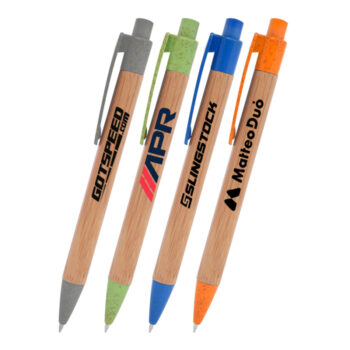
• Environment friendly onboarding kits including items like recycled notepads, bamboo pens and cotton tote bags signal authenticity from day one!
• Sustainable corporate gifts enhance employer branding. Some of the popular examples include custom products like reusable stainless steel tumblers , wheat mugs or bamboo lunch sets.
• Employees are more likely to use ecofriendly swag publicly, increasing organic brand exposure
Enhanced Client Perception and Differentiation
In competitive B2B environments, sustainable promotional merchandise acts as a powerful value signal.
• Premium sustainable giveaway items create stronger impressions than low-cost alternatives
• Clients increasingly expect alignment with their own ESG goals
• Long-term usage drives consistent brand visibility, significantly increasing ROI
High-Impact Eco-Friendly Promotional Item Categories That Drive Real Brand Visibility
Marketers choose high-impact categories of eco-friendly promotional items including reusable drinkware, sustainable tote bags, and recycled paper stationery to stand out. These products remain popular because they are used frequently in daily life, giving brands repeated visibility while reducing single-use waste. Categories like plant-based giveaways and biodegradable tech accessories also create lasting impressions while reinforcing environmentally responsible branding.
Everyday Reusables, Drinkware and Containers
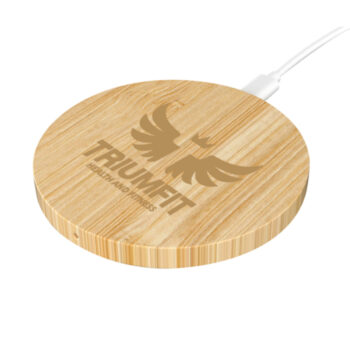
Reusable drinkware remains one of the most effective categories within eco friendly promotional products. 62% of consumers prefer drinkware as a promotional product, making it one of the most retained categories
• Stainless steel bottles and tumblers are durable, BPA-free, and widely used
• Insulated mugs made from recycled or hybrid materials
• Sustainable food containers, practical for daily use
• Look for BPA-free certification and food-grade materials
Eco-Friendly Custom Tote Bags
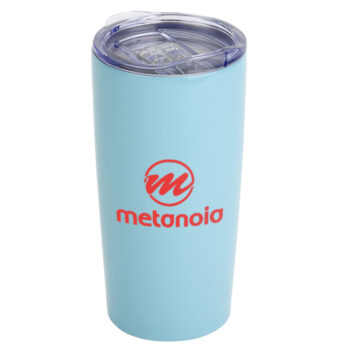
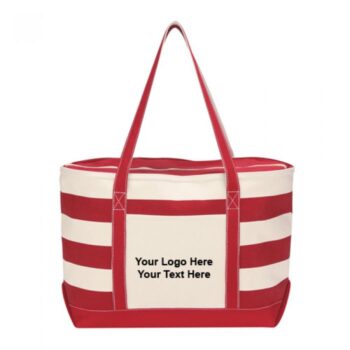
Eco friendly custom tote bags continue to be one of the most visible and practical eco friendly promotional items in B2B campaigns.
• Organic cotton tote bags, GOTS certified
• Recycled PET tote bags, made from post-consumer plastic bottles
• Jute and natural fiber bags, biodegradable and distinctive
• Recycled material backpacks, ideal for corporate gifting
• Tip: use water-based inks and minimal branding to extend usability
Sustainable Apparel
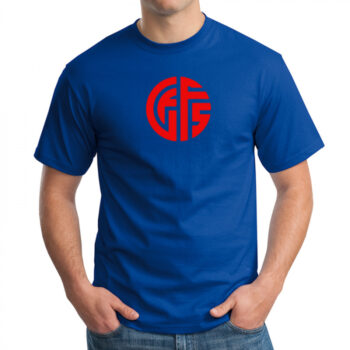
Apparel is a core category of sustainable promotional products due to its long-term visibility. Always verify certifications and ethical production standards
• Organic cotton T-shirts- comfortable and durable
• Recycled fleece outerwear- positioned as premium eco friendly corporate gifts
• Sustainable uniforms- perfect for internal teams
Ecofriendly Branded Notebooks and Desk accessories
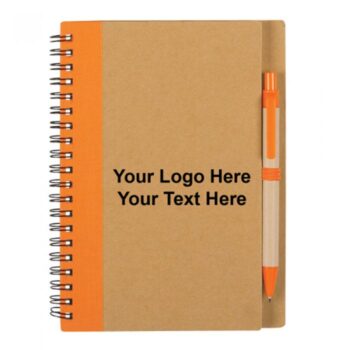
Sustainable branded notebooks remain a high-utility choice within eco promotional products.
• Stone paper notebooks- durable and water-resistant
• Recycled leather notebooks- premium and upcycled
• FSC-certified paper notebooks with cork or bamboo covers
• Recycled pens and office kits
• Seed paper notepads that extend product life into an experience
Experience-Driven and Biodegradable Items
Experience-based eco-friendly promotional items create stronger engagement and memorability.
• Seed kits and grow-your-own herb sets
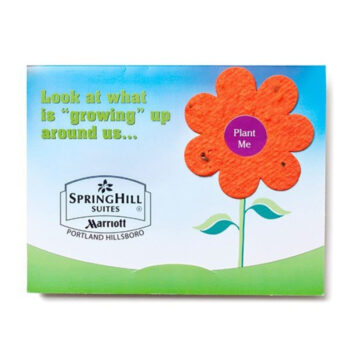
• Plantable seed paper products especially those aligned with occasions like Earth Day, reinforce sustainability messaging. Ecofriendly Giveaways and Promotional Ideas for Earth day will help to add more value to your campaigns.
• Compostable packaging solutions
• Beeswax wraps and reusable food coverings
• Natural, locally sourced items such as soy candles or soaps
How to Choose Eco-Friendly Promotional Products That Actually Work
Start With Audience Relevance
The most effective sustainable promotional products are those that get used consistently.
• Align product choice with real user behavior
• Segment audiences based on lifestyle and industry
• Prioritize functionality over novelty
Align With Your Brand Story, Not Just Your Logo
The most impactful eco friendly promotional products communicate values, not just branding.
• Use packaging to tell the sustainability story
• Let material and design lead the narrative
• Ensure every touchpoint reinforces brand positioning
Budget Smart, Quality Over Quantity
Eco friendly promotional products typically carry a higher upfront cost, but deliver stronger long-term returns.
• Durable products generate more impressions over time
• Smaller, targeted quantities reduce waste
• Sustainable suppliers often offer flexible MOQs
• Focus on long-term value rather than unit cost
Validate Supplier Credibility Before You Buy
Due diligence is critical when sourcing sustainable promotional merchandise.
• Request material breakdowns and certifications
• Verify factory details and production locations
• Review carbon data or offset policies
• Assess packaging sustainability
Match Product to practical uses, Not Trends
Context should drive product selection, not short-term trends. Prioritize utility over novelty If a product is not used regularly, it fails both environmentally and commercially.
• For events prioritize portable and practical sustainable giveaway items
• For client gifts: invest in premium eco friendly corporate gifts
• For Onboarding kits: choose ecofriendly swag that reflects company culture
• For Trade shows: choose lightweight, useful items with clear credentials
Common Mistakes That Undermine Sustainable Swag
Choosing trendy items without verifying sustainability factors can weaken your credibility and waste budget. Here are some common mistakes that can weaken the value of sustainable swag.
Choosing Aesthetics Over Impact
A visually appealing product is not always sustainable. Always verify material authenticity.
Ignoring the Full Product Lifecycle
Sustainability must extend from production to disposal.
• Avoid unsustainable packaging
• Consider product lifespan
• Evaluate logistics impact
• Provide end-of-life guidance
Poor Audience Fit
Even well-made eco friendly promotional items fail if they are not relevant to the recipient.
Frequently Asked Questions
- Are eco-friendly promotional products more expensive?
Normally yes. However they deliver stronger long-term ROI through extended usage. - What materials are commonly used?
rPET, organic cotton, bamboo, cork, FSC-certified wood, stainless steel, and biodegradable materials. - How do I verify sustainability claims?
Request certifications such as GOTS, GRS, FSC, OEKO-TEX, and BPA-free documentation. - What is the best category to start with?
Ecofriendly swag like drinkware offers the best balance of visibility, utility, and durability, followed by sustainable branded notebooks. - Do recipients prefer sustainable promotional products?
Yes, sustainable promotional merchandise consistently drive higher engagement, better retention, and stronger brand perception.
Sustainable Swag Is Brand Storytelling
The shift toward sustainable promotional products is not just environmental, it is a strategic business decision. Every item reflects your brand’s values, quality standards, and long-term intent. Leading brands are moving beyond simple material substitution. They are rethinking their approach, focusing on fewer, better products that deliver lasting impact.
Whether you are sourcing eco-friendly custom tote bags, sustainable branded notebooks, or building a complete sustainable promotional merchandise program, the principles remain consistent. Verify materials, understand your audience, communicate your story, and prioritize quality over quantity.
Ready to create a sustainable promotional products experience for the users? Explore our full range of eco friendly promotional products supported by expert brand guidance.


POPULAR POSTS






 Talk To a REAL Human...
Have a budget and no clue what to do?
Or you want some high end swag you don’t see on our site?
Talk to a specialist and let us help you look like a hero!