The September Hiring Surge: Why Fall Is the Best Time to Refresh Employee Welcome Kits
As summer winds down, businesses shift from vacation mode back into growth mode, with September being one of the busiest hiring periods of the year. It is the ideal time for companies to expand teams, onboard recent graduates, and prepare for increased business activity before the holiday season. Reports show that 66% of U.S. hiring managers plan to increase permanent hiring in the second half of 2026, up from 57% one year ago.
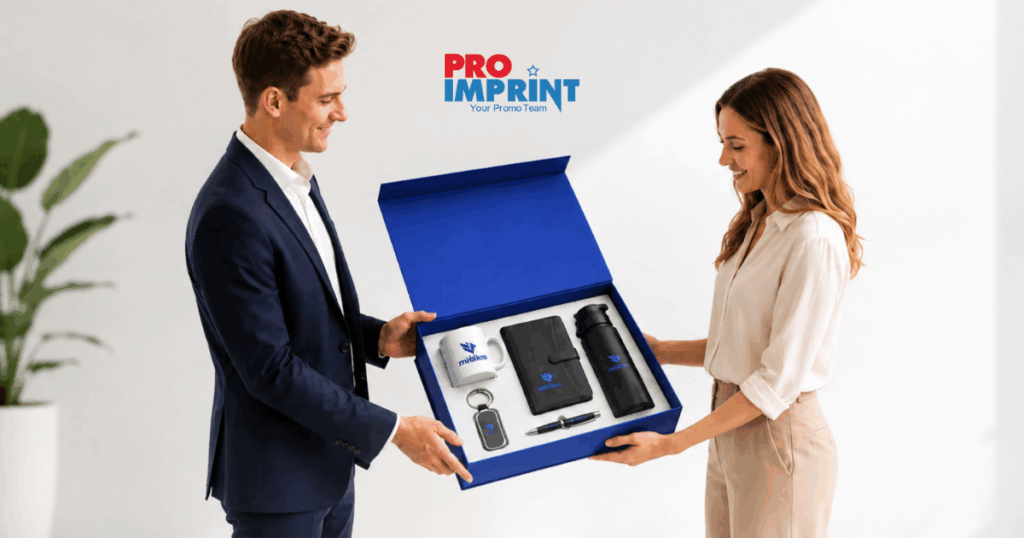
For HR teams, this seasonal shift creates an opportunity to look beyond recruitment and prepare for what happens after a candidate accepts an offer. A thoughtful employee welcome kit can help new employees feel welcomed, prepared, and connected from the start.
Key Takeaways
- Make fall your welcome-kit refresh season: Prepare for upcoming hiring needs before the holiday rush begins.
- Focus on usefulness: Select products employees can use throughout their workday rather than adding items simply for quantity.
- Personalize the experience: Tailor kits to different roles, industries, departments, and work environments.
- Welcome remote employees: Use lightweight and practical products to create a connected onboarding experience wherever employees work.
- Plan ahead: Start 6–8 weeks ahead for smoother customization, production, and delivery.
- Keep your brand consistent: Standardized products and centralized ordering make it easier to maintain a professional company image.
- Refresh strategically: Keep proven favorites and update products, packaging, or branding when a complete kit redesign isn't necessary.
Why September Hiring Makes Fall the Best Time to Refresh Welcome Kits
September can be an important hiring period for organizations preparing for Q4 demand, bringing in recent graduates, or using the final months of the year to support business growth. These hiring trends also make early fall the best time to review employee welcome kits, update product selections, and prepare for upcoming onboarding needs before the holiday season.
- End of Summer Vacations: As employees and decision-makers return from summer breaks, hiring activities and recruitment discussions often regain momentum.
- Preparing for Q4 Demand: Companies begin strengthening their teams to handle increased workloads and customer demand during the final quarter.
- Graduate Recruitment: With colleges graduating new talent, businesses have a fresh pool of candidates entering the job market.
- Holiday Staffing: Employers recruit and onboard workers ahead of the holiday season to ensure teams are prepared before year-end schedules slow down.
- Budget Utilization: Companies may use remaining annual hiring budgets before the year closes, creating a push to fill open positions.
- Business Growth Initiatives: Organizations launching new projects, expanding operations, or pursuing growth plans may increase hiring to support these priorities.
These hiring trends make fall a useful checkpoint for reviewing how new employees are welcomed. Organizations can assess existing welcome kits, update outdated products or branding, and adjust selections based on the needs of current and upcoming hires. Fall also brings team meetings, training sessions, and employee appreciation events, creating additional opportunities to use branded merchandise. Starting the refresh early gives HR and procurement teams time to select relevant products, review inventory, approve artwork, and plan for upcoming onboarding needs before holiday production and shipping schedules become busier.
Why Welcome Kits Matter More During High-Volume Hiring
When several employees join around the same time, maintaining a consistent onboarding experience becomes more challenging. HR and procurement teams may need to coordinate products, branding, quantities, delivery locations, and start dates across multiple departments or offices. A well-planned employee welcome kit provides a repeatable approach that helps organizations give each new hire a consistent and professional introduction to the company.
Rather than preparing every kit from scratch, organizations can establish a defined selection of products and a standardized ordering and distribution process. This makes it easier to scale the onboarding experience as hiring needs increase while still allowing kits to be tailored for different employee groups.
- Simplified Procurement: Centralizing orders makes it easier to manage product selection, quantities, and purchasing across teams and locations.
- Consistent Product Selection: A defined product lineup ensures new hires receive comparable items regardless of their department or location.
- Easier Distribution: Organizing kits in advance simplifies delivery to offices, departments, and remote employees.
- Scalable Onboarding: A repeatable welcome kit process helps teams accommodate larger hiring groups without adding unnecessary administrative work.
What Makes an Effective Employee Welcome Kit?
The most successful welcome kits prioritize functionality over quantity. Employees appreciate products they can use right away in their workday.
Everyday Office Essentials
Basic office supplies remain some of the most useful additions to any new hire welcome kit. Consider items such as:
These items help employees settle into their workspace and get started with their day-to-day work.
Company-Branded Essentials
Branded apparel and workplace accessories help employees feel connected to the organization from the very beginning.
Popular additions include:
These products encourage team unity while creating a professional and consistent workplace appearance.
Technology & Productivity Tools
Technology accessories can make an employee welcome kit more useful, particularly for hybrid and remote teams that rely on digital tools throughout the workday. Instead of adding tech products simply for their novelty, consider practical items that support common work routines, such as:
When selecting tech products, think about how employees will use them at their desks, at home, or while working between locations. A broader smart swag strategy can also help organizations choose promotional tech products based on usefulness, employee needs, and everyday visibility. See our guide to promotional tech products for more ideas.
Comfort & Wellness Products
A welcome kit does not have to focus entirely on work-related items. Adding comfort and wellness products can make the kit more relevant to employees’ routines, particularly when organizations want to support a healthier work environment or make new hires feel considered beyond their immediate job responsibilities.
Popular options include:
Adding thoughtful wellness items helps create a welcoming experience while demonstrating that the organization values employee comfort.
For organizations working with a set onboarding budget, affordable gifts can make it easier to create a professional welcome without overspending. Here are some of the best employee gifts under $15 that will help you choose the most appropriate welcome kit items for your team.
Customizing Welcome Kits for Different Onboarding Needs
Every organization has unique onboarding requirements, making customization an important part of designing effective welcome kits. The contents can be selected based on the nature of the workplace and the type of experience the organization wants to create. A thoughtful selection can make the kit more relevant and useful from the start.
Corporate Offices
For office-based employees, focus on products that support productivity while creating a polished first impression. Executive pens, insulated drinkware, and desk organizers help employees settle into their workspace and reinforce a professional company image.
Remote Employees
Welcome kits can be impactful for remote employees because they visit the office less frequently (or may not visit at all) than other employees. Lightweight, shipping-friendly kits that include technology accessories and a personalized welcome letter help bridge the distance and create a stronger connection with the company before the first virtual meeting.
Healthcare Organizations
Healthcare professionals appreciate products designed for busy schedules and demanding work environments. Insulated water bottles, hand sanitizers, and wellness-focused items provide convenience while showing appreciation for the important work they do.
Retail Businesses
Retail teams often need to become customer-ready quickly. Branded uniforms, name badges, and notepads can help employees feel prepared while supporting a consistent brand experience across locations.
Manufacturing & Field Teams
Manufacturing and field employees may have different onboarding requirements from office-based teams. Practical items such as durable drinkware, branded apparel, notebooks, badge holders, or role-specific accessories can help employees start prepared while maintaining a consistent company identity across locations.
Educational Institutions
Schools, colleges, and universities may onboard faculty, administrative staff, student employees, or seasonal teams with different needs. Branded apparel, notebooks, drinkware, tote bags, and other practical items can provide a consistent welcome while supporting institutional branding.
Welcome kits work best when their contents reflect the employees receiving them. Customization goes beyond adding a company logo – it also means tailoring product selections to different work environments, job responsibilities, and onboarding requirements so that each new hire receives relevant and useful items from day one.
Common Mistakes to Avoid While Choosing Employee Welcome Kits
Creating an effective employee welcome kit is much more than selecting promotional products. Avoiding some of these common mistakes will help you create welcome kits that leave a lasting impression and deliver real value to every new employee.
Inconsistent Branding
A welcome kit should reflect your company’s identity. Mixing different colors, logo styles, or messaging may make the kit look unprofessional. Consistent branding across every item reinforces brand recognition and creates a polished, cohesive look.
Overlooking Remote and Hybrid Employees
Another common mistake is overlooking the different needs of remote and hybrid employees when planning their onboarding experience. Sending every employee a thoughtfully prepared welcome kit helps create a consistent experience and strengthens their connection to the company, regardless of where they work.
Ordering Too Late
Waiting until the last minute to order promotional products can lead to limited product availability and rushed production timelines. Early planning gives you more choices, ensures better quality, and helps your welcome kits arrive on time for every new hire.
Lacking a Centralized Order System
Avoid decentralized ordering across individual teams or locations. Managing welcome kit products through a centralized procurement process can help maintain brand consistency, simplify purchasing, and improve visibility into company-wide spending.
Choosing Quantity Over Relevance
Filling a welcome kit with too many products can make it look impressive without necessarily making it useful. Prioritize a smaller selection of practical items that fit employees’ work environments and onboarding needs rather than choosing products simply to increase the number of items included.
How Welcome Kits Support the First-Day Employee Experience
The first day sets the tone for how new employees experience an organization. Having useful materials and branded essentials ready can make the onboarding process feel organized and intentional, while giving employees practical resources they can use from the beginning.
A well-planned welcome kit can support this experience by:
- Helping employees feel prepared: Practical items such as drinkware, backpacks, or technology accessories give new hires useful essentials from the start.
- Creating a consistent experience: A standardized kit helps ensure employees receive a comparable welcome across departments, locations, and start dates.
- Reinforcing company identity: Branded products introduce employees to the organization’s visual identity and can complement other onboarding materials.
- Making onboarding more thoughtful: A selection based on employees’ work environment and needs shows that the organization has considered their experience before they begin.
A welcome kit is only one part of a successful onboarding program, but it can complement the broader process by helping new employees feel informed, prepared, and connected from their first day.
Choosing Promotional Products Employees Will Keep
The best employee welcome kits are built around products that fit naturally into employees’ workdays rather than items selected simply to fill space. When choosing promotional products for employees, consider how the items will be used, whether their quality reflects your brand, and whether they are appropriate for the employees receiving them.
Prioritize Everyday Use
Start with products that employees are likely to use regularly. Backpacks, pens, drinkware, and practical technology accessories can become part of an employee’s daily routine, giving the welcome kit value beyond the first day.
Match Products to the Work Environment
The right product depends on where and how employees work. Desk accessories may be more useful for office-based teams, while lightweight technology accessories or shipping-friendly items may be better suited to remote employees. Selecting products based on actual work environments makes the kit more relevant.
Choose Quality That Reflects Your Brand
Welcome kits introduce new employees to your organization, so product quality can influence how the kit is perceived. Well-made items can create a more professional impression and are more likely to remain useful rather than being quickly replaced or discarded.
Consider Sustainable Options
Many companies now include eco-friendly products in their welcome kits to support their sustainability goals. Reusable water bottles, recycled notebooks, RPET tote bags, and bamboo office accessories are choices that reduce waste and showcase your commitment to responsible business practices.
Planning Your Welcome Kits Before the Holiday Rush
Fall hiring can coincide with busier production and shipping schedules, making early planning particularly useful for organizations ordering customized promotional products in larger quantities. Planning your employee welcome kits early helps avoid the holiday rush and related challenges while ensuring every new hire receives a standardized introduction to the workplace.
6-8 Weeks Before Onboarding
Begin planning by estimating hiring volumes across departments and locations. This is also the ideal time to finalize branding guidelines, determine your onboarding budget, and select the promotional products that align with your values.
Recommended actions:
- Estimate hiring requirements
- Finalize branding and messaging
- Select welcome kit products
- Review inventory and customization options
4-6 Weeks Before Orientation
Once products have been selected, approve artwork and place production orders. Ordering early provides greater flexibility, especially for customized products and larger hiring programs.
Recommended actions:
- Review digital proofs
- Approve artwork
- Place production orders
- Confirm delivery schedules
2 Weeks Before Induction
As products arrive, assemble welcome kits and coordinate onboarding materials so everything is ready before employees begin work.
Recommended actions:
- Assemble employee welcome kits
- Prepare onboarding documents
- Organize distribution by department or location
- Verify employee shipping addresses for remote staff
On the Employee’s First Day
Present welcome kits during onboarding or have them delivered before the employee’s first day if they work remotely. A well-prepared welcome package creates an immediate positive impression while helping employees feel ready to begin.
Employee Welcome Kit Checklist
Use this simple checklist when preparing your next onboarding program.
- Personalized welcome letter
- Company handbook or onboarding guide
- Employee ID card or badge holder
- Branded notebook and pen
- Reusable water bottle or coffee mug
- Technology accessories (phone stand, charging cable, webcam cover, mouse pad)
- Tote bag or backpack
- Company apparel or branded merchandise
- Important contact information
- First-week schedule and onboarding resources
A clear checklist helps teams prepare each welcome kit efficiently and avoid missing essential onboarding materials.
Start the Onboarding Experience on the Right Note
September is a good time to take a fresh look at how you welcome new employees. As your team grows, your welcome kits may need a refresh too. The right mix of useful, branded items can help you create a more thoughtful first-day experience and introduce new hires to your company culture from the start.
A thoughtful welcome kit can go a long way in making new employees feel valued from the moment they join your team. With ProImprint, you can choose from a variety of branded products that fit your company, your employees, and your budget. If you’re ready to refresh your welcome kits, our team can help you find the right products and make the process simple from start to finish.
Featured Products



FAQ
What should be included in an employee welcome kit?
A well-designed employee welcome kit typically includes items such as a notebook, pen, drinkware, company apparel, badge holder, and technology accessories. The exact contents should reflect the employees’ work environment, job responsibilities, and onboarding needs.
Should employee welcome kits be prepared before a new hire’s first day?
Yes. Preparing employee welcome kits before a new hire’s first day helps ensure products, onboarding materials, and any required branding are ready in advance. For remote employees, kits can be shipped ahead of the start date so they arrive in time for onboarding.
How can companies customize employee welcome kits?
Organizations can customize welcome kits based on department, work environment, or industry. Remote employees may receive shipping-friendly items, while healthcare, manufacturing, retail, and corporate teams may require different combinations of branded merchandise and workplace essentials.
When should businesses order employee welcome kits?
For customized products, businesses should ideally begin planning employee welcome kits six to eight weeks before onboarding begins. This allows enough time for product selection, artwork approval, production, and delivery.
If you have less than six to eight weeks, you can still plan a welcome kit, but the available product and customization options may be more limited. In that situation, prioritize readily available products, simplify the kit where necessary, and confirm production and delivery timelines before placing the order.
Can promotional products for employees be refreshed without replacing everything?
Companies can retain useful, evergreen items while updating seasonal products, branding, packaging, or role-specific additions. This can make an existing welcome kit program feel new without requiring a complete redesign.
How many items should an employee welcome kit contain?
There is no fixed number of items an employee welcome kit should contain. The ideal selection depends on the organization’s budget, the employee’s work environment, and the purpose of the kit. A smaller selection of useful, relevant products is generally more effective than filling the kit with items employees may not use.
How can companies keep welcome kits relevant over time?
Companies can keep employee welcome kits relevant by regularly reviewing employee feedback, workplace needs, and product performance. Updating product selections, branding, and role-specific items helps ensure the kits continue to meet changing employee and business needs.


POPULAR POSTS






 Talk To a REAL Human...
Have a budget and no clue what to do?
Or you want some high end swag you don’t see on our site?
Talk to a specialist and let us help you look like a hero!